With summer now firmly behind us, what lies ahead for South Africa during Autumn 2026?

Vox Weather Meteorologist Michelle du Plessis first looks back at the sometimes-extreme weather in February, and unpacks what we can expect for the beginning of the forthcoming cooler months.

(Featured image: View of Emmarentia Dam, Johannesburg, during Autumn)

South Africa experienced an extraordinary February 2026, marked by record rainfall in parts of the country, severe thunderstorms, intense heat, and stark regional contrasts in rainfall patterns. While the western and southern parts of the country received widespread above-normal rainfall, the north-eastern regions experienced a warmer and drier end to the summer season.

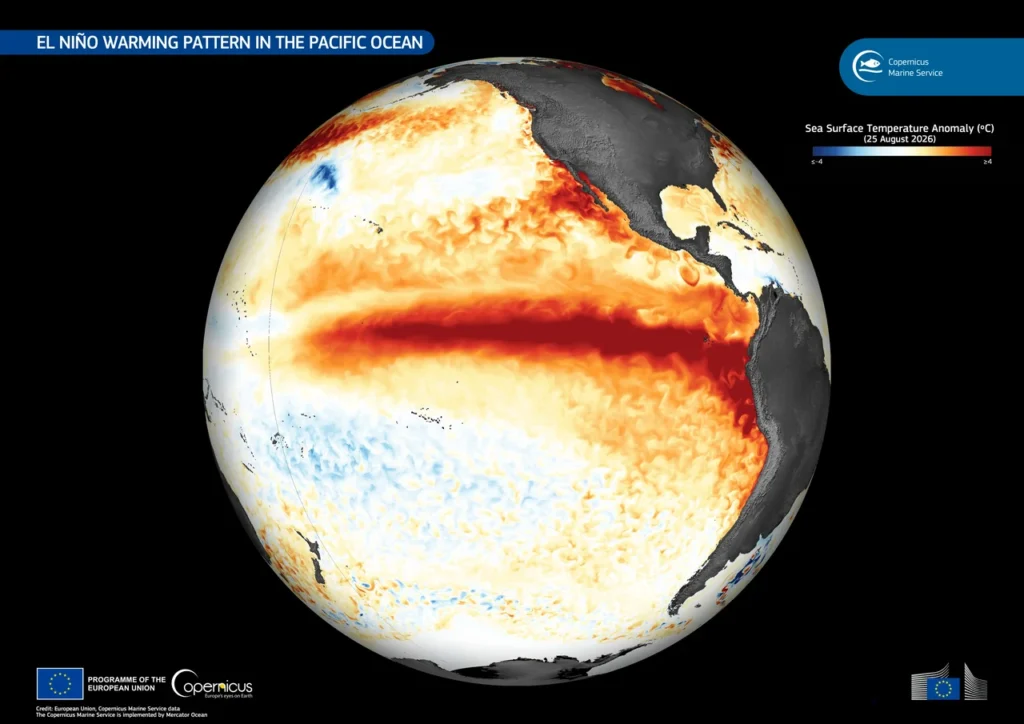
As Autumn begins to settle across the country, attention is now turning to the seasonal outlook and the possible influence of a developing El Niño later in the year.

February 2026: Record Rainfall and Severe Weather

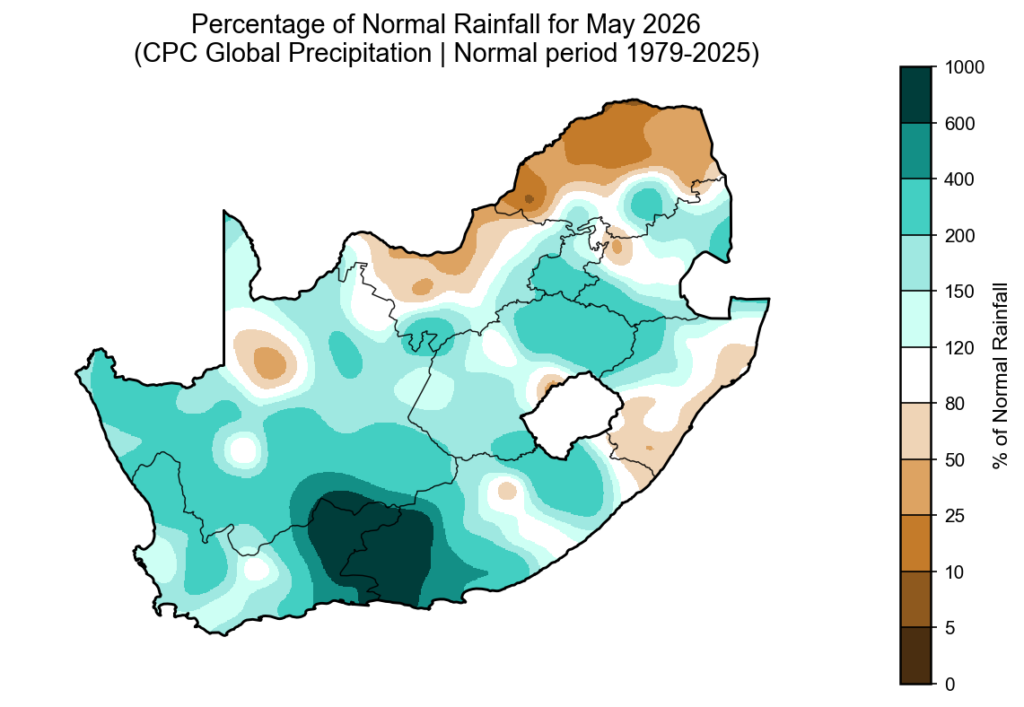
February brought much-needed rainfall to large parts of the drought-stricken Cape provinces. Rainfall anomaly maps clearly show the regional contrast across the country: the north-eastern interior experienced a hotter and drier end to summer, while the Western and Eastern Cape saw significantly wetter conditions.

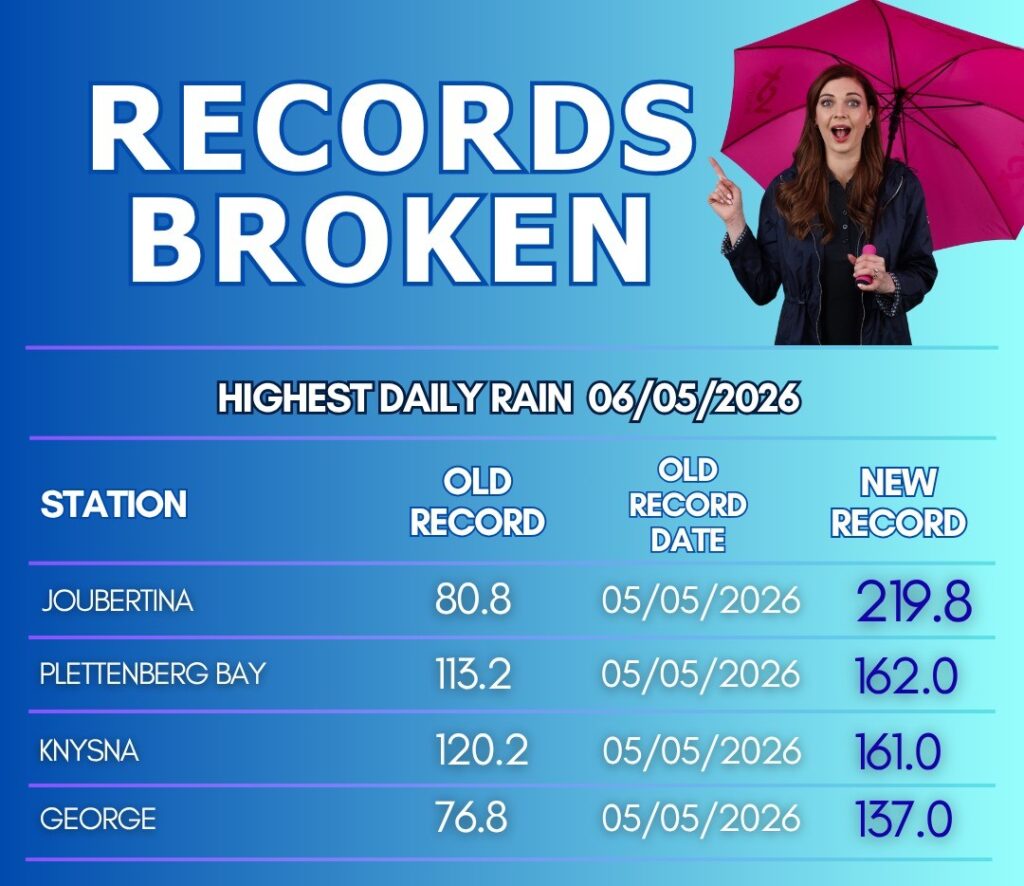
Not only did above-normal rainfall occur, but several rainfall records were also broken during the month. These events were largely driven by at least three strong cut-off low pressure systems that moved across the country, producing widespread rainfall and severe thunderstorms.

One notable event occurred in Kakamas, where more than 100 mm of rain fell on 22 February. Later in the month, Grahamstown also recorded exceptional rainfall when its February 24-hour rainfall record was broken. More than 75 mm fell within only a few hours on 24 February, exceeding the previous record by more than 33 mm.

Across social media, numerous photographs and videos captured the dramatic turnaround in water availability, with farmers and residents expressing gratitude for the long-awaited rainfall.

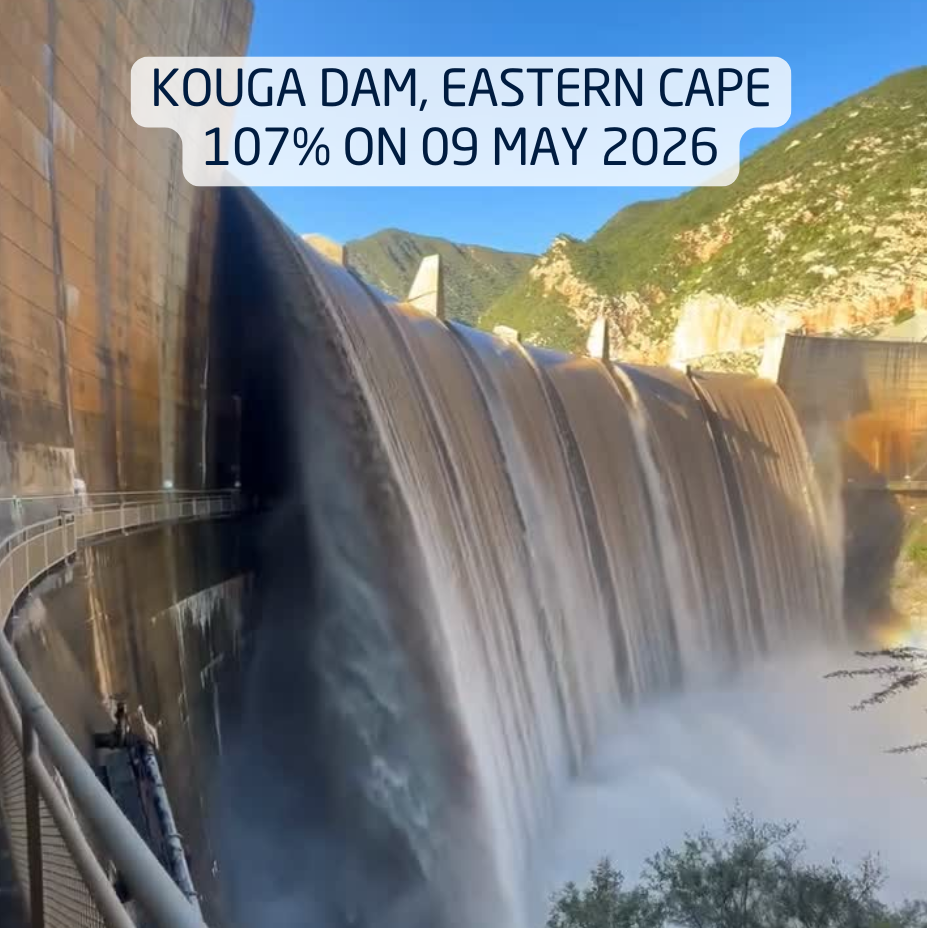
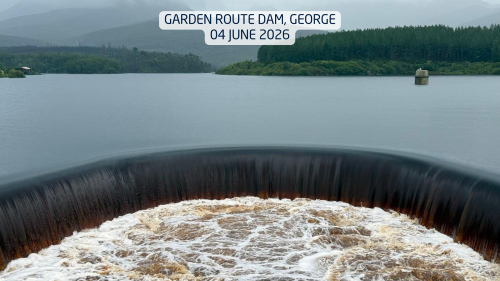
In Ladismith, the situation at the Tierkloof Dam highlighted the dramatic impact of the rainfall. On 2 February 2026, the dam was so depleted that the local municipality had to close the outlet valves to protect infrastructure. After heavy rainfall on 9 February, however, the dam began overflowing within just a week — an extraordinary turnaround.
Rivers also responded rapidly to the rainfall. By 11 February, the Vis River was flowing strongly again, while in George the well-known Pepsi Pools experienced strong runoff following the rains.

Unfortunately, the severe weather also brought destructive storms. Hailstorms in the Southern Cape caused significant damage to fruit farms in the Langkloof region, highlighting the dual nature of intense summer rainfall events.

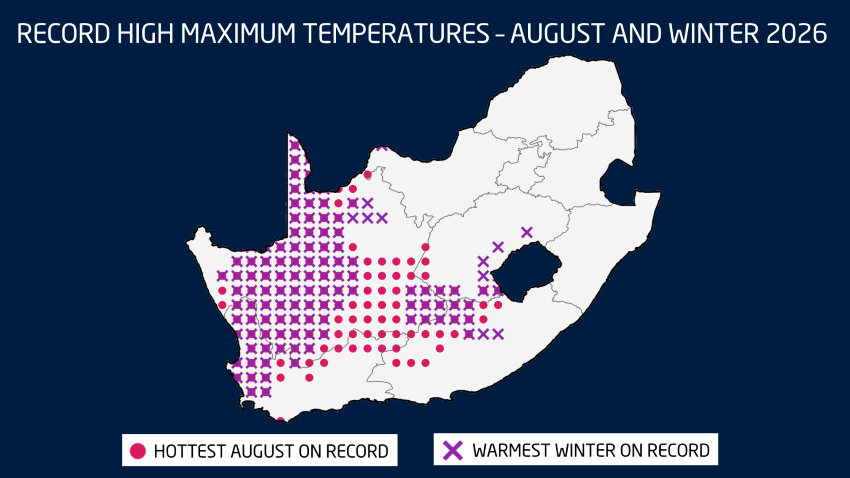
February was not only wet in parts of the country, but also exceptionally hot. Above-normal temperatures were recorded across the eastern and southern regions.

Cape Town once again broke its maximum temperature record when temperatures soared to 44°C on 16 February.

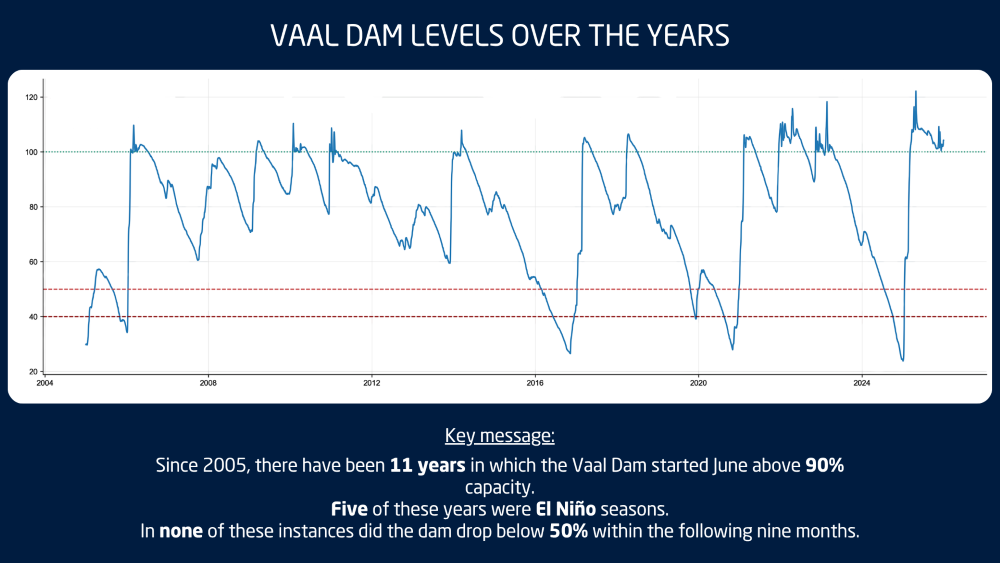
Elsewhere in the country, farmers in the Free State welcomed the rainfall ahead of the harvest season, with crops appearing particularly healthy this year. The Vaal Dam also remains exceptionally full, and there is even the possibility that it could remain at or near full capacity for an entire year — something that may not have occurred in the past two decades, and possibly even longer.

Despite these positive developments in parts of the country, dam levels in the Cape provinces remain a concern.

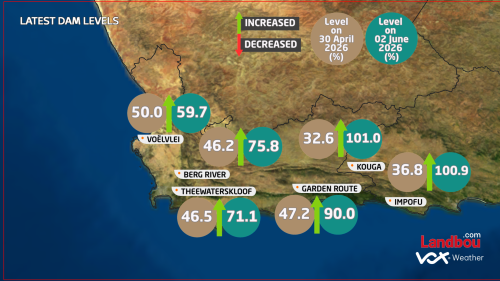
Dam levels in the Western and Southern Cape are currently significantly lower than they were at the same time last year. The Kouga Dam currently stands at only 39% capacity compared to 84% a year ago, while the Theewaterskloof Dam is approximately 50% full compared to 70% at the same time last year. Across the Western Cape as a whole, the average dam level currently sits at around 49.7%, compared to 65.8% a year ago.

Autumn Arrives with the First Cold Front

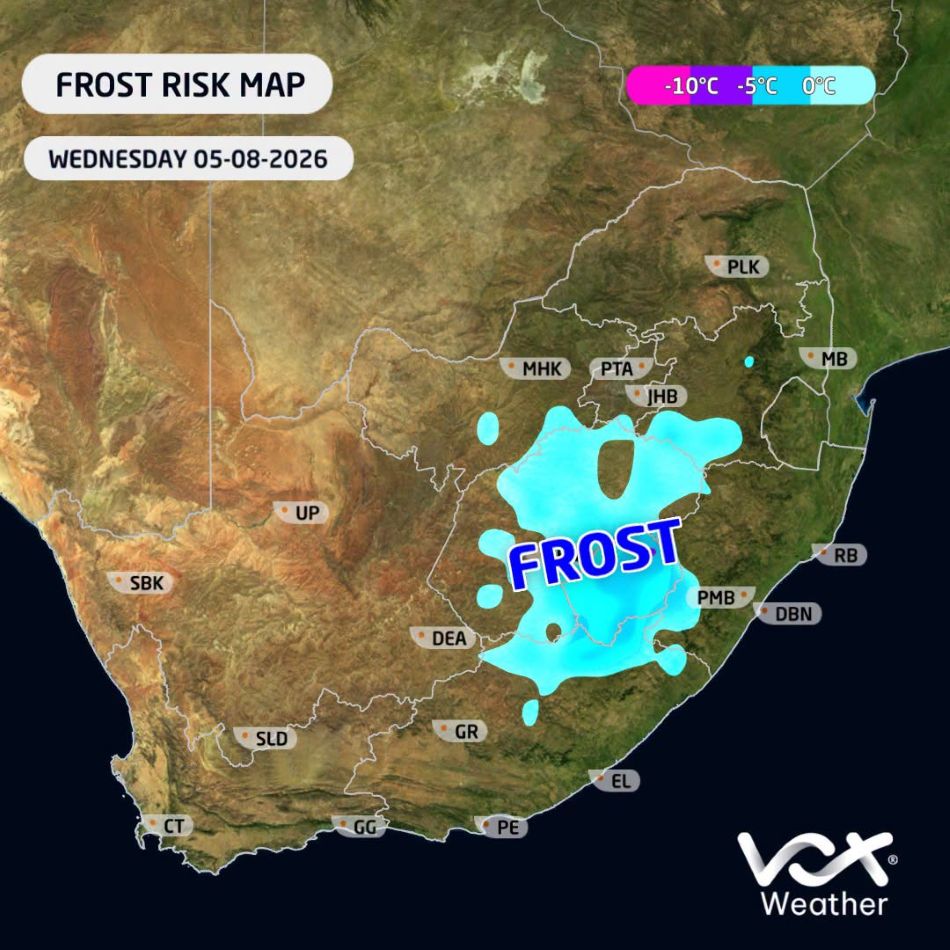
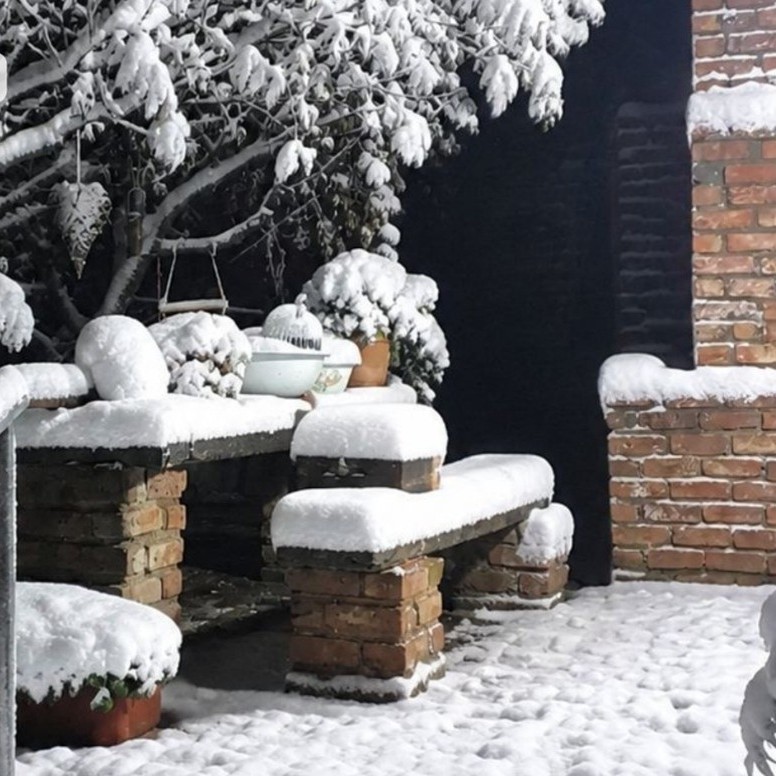
Autumn has also made an early appearance across parts of the country. The first strong cold front of the season swept across South Africa at the start of March, bringing much cooler conditions. On the morning of 2 March, light frost was recorded in parts of the interior, with temperatures in Sutherland dropping to near and even below freezing.

However, it is important to note that an early frost or early cold conditions do not necessarily mean that the coming winter will be colder or wetter. For this reason, forecasts currently focus primarily on the Autumn outlook rather than drawing conclusions about the winter season.

ENSO Outlook and the Possibility of El Niño

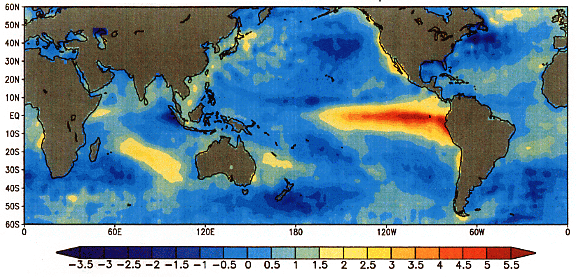
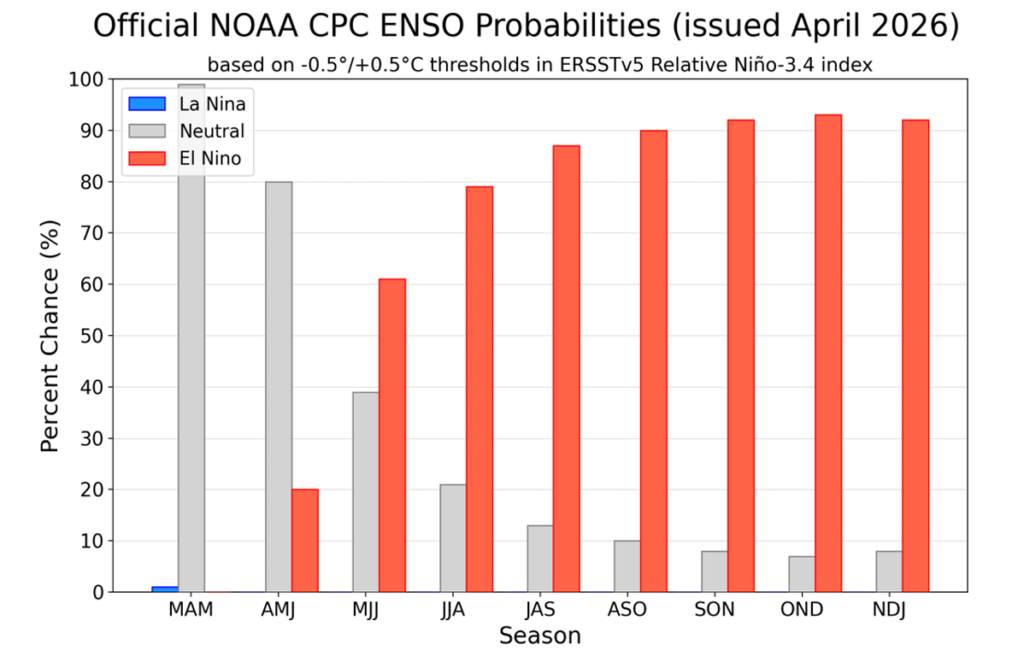
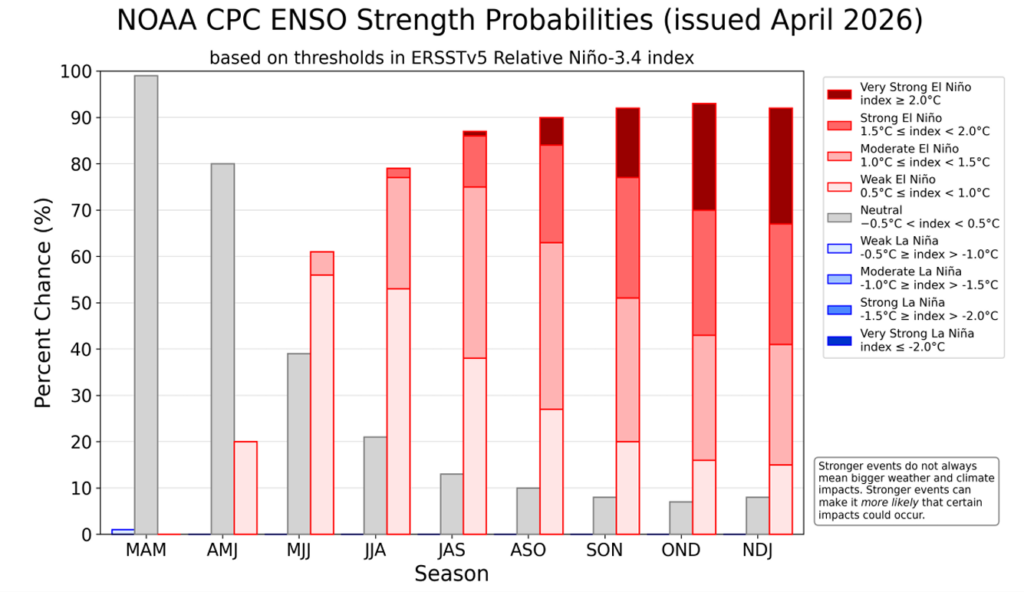
Current projections indicate that the ENSO system is likely to return to a neutral state during Autumn. Some models suggest that conditions could then shift relatively quickly toward an El Niño phase later in the year, potentially developing toward the end of winter and continuing into summer.

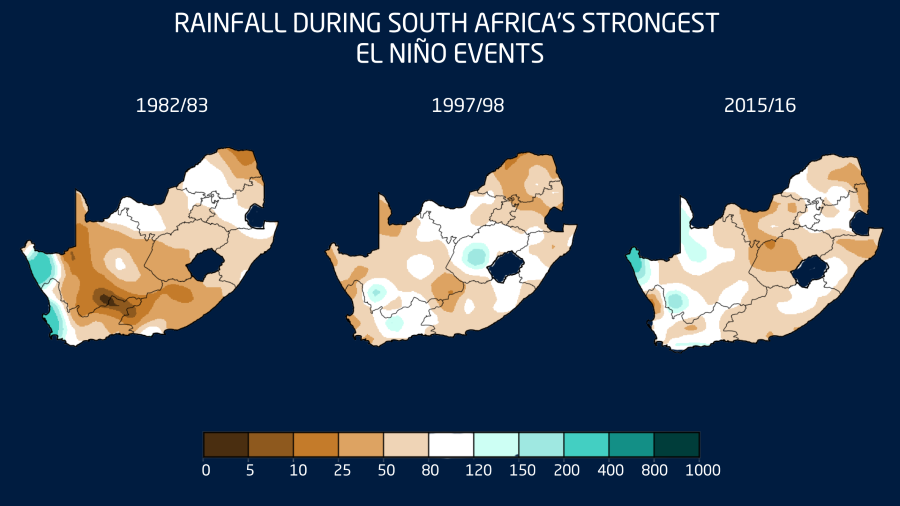
If this scenario materialises, it could have implications for rainfall patterns during the next summer rainfall season. However, it is still too early to determine the exact impacts of a potential El Niño event.

Interestingly, if El Niño development is delayed until later in the year, it could even allow for favourable spring rainfall conditions before the event fully establishes itself.

Seasonal Outlook and Model Uncertainty

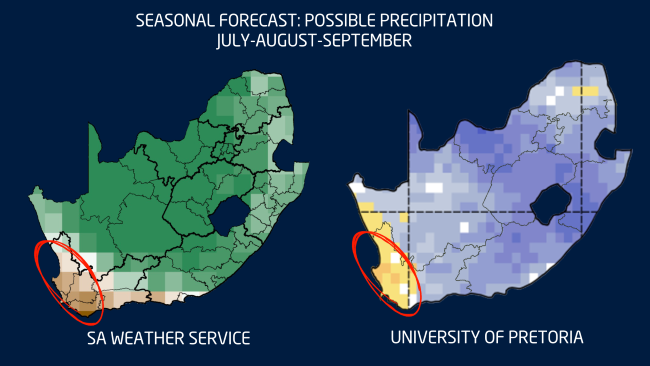
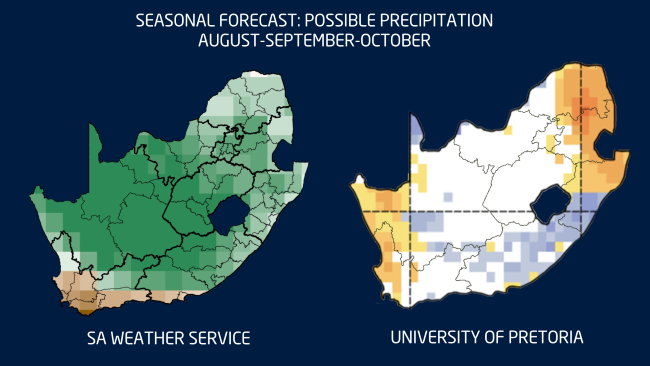
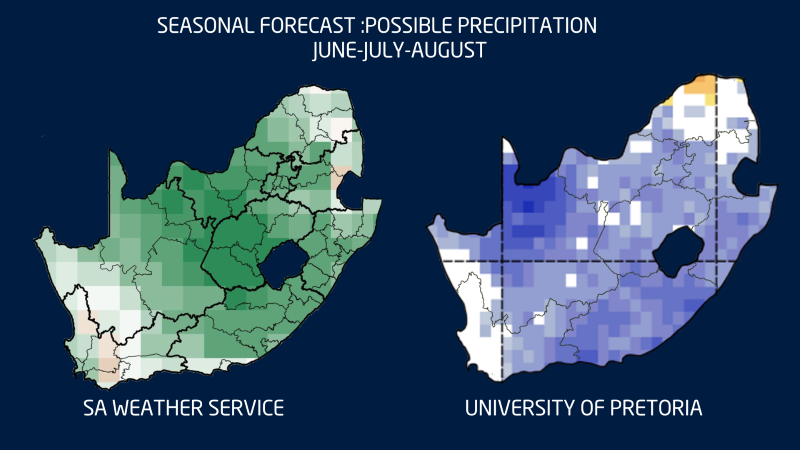
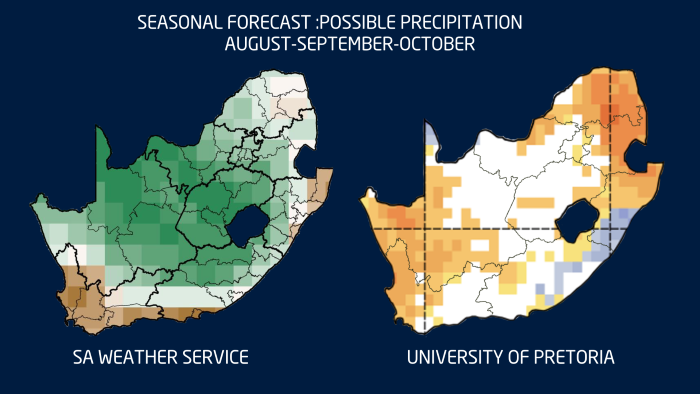
At present, both the South African Weather Service (SAWS) and the University of Pretoria’s seasonal forecasting models indicate the possibility of above-normal rainfall over parts of the interior during the next three months. The signal is particularly strong over sections of the Eastern Cape.

However, both modelling systems also suggest the potential for drier-than-normal conditions over the western parts of the Western Cape and along the West Coast.

It is important to keep in mind that the predictive skill of rainfall forecasts is currently weaker for the western regions of the country, which means the outlook for these areas remains more uncertain.

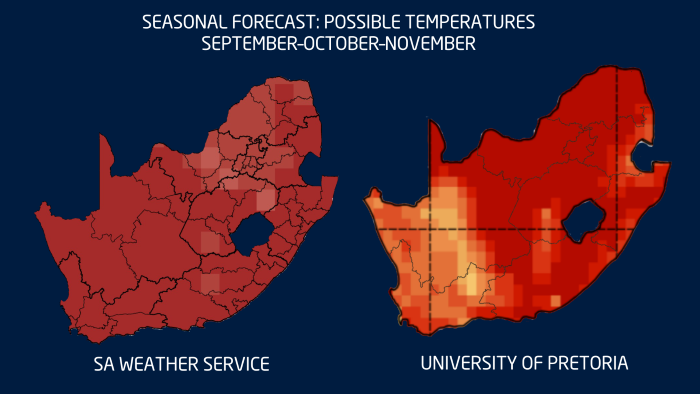
Seasonal temperature forecasts for March, April and May also indicate a strong likelihood of warmer-than-normal conditions across much of the country. When combined with berg wind conditions, this could increase the risk of veld fires in some areas.

Looking further ahead toward winter, the various climate models do not currently agree on a clear rainfall signal. As a result, no firm conclusions should be drawn yet regarding the coming winter rainfall season.

This uncertainty is worth highlighting because last year both the SAWS and University of Pretoria models predicted below-normal rainfall for the winter rainfall region. In reality, the outcome differed somewhat. The far western parts of the country experienced more rainfall than predicted, while the models were more accurate over the central Karoo and parts of the Southern Cape where below-normal rainfall did occur.


A Season of Change

Across the country, the subtle signs of seasonal change are becoming more noticeable. Leaves are beginning to turn colour, the sun sets earlier in the evenings, and many people have already felt the first bite of cooler air in the mornings.

Autumn in South Africa brings mild days, cool nights and frequent morning mist. It’s the peak season for harvesting grapes as well as other fruit, with vineyards and orchards changing colour and offering scenic views. Elsewhere we find kilometres and kilometres of cosmos flowers in bloom.

And so Autumn remains one of the most pleasant seasons in South Africa, with moderate and comfortable weather across much of the country. Yet for many in the Cape provinces, the hope remains the same: that this Autumn will bring the rainfall needed to replenish reservoirs and provide relief ahead of the winter months.

As reported on EWN – Eye Witness News: Vox Weather meteorologist Michelle du Plessis confirmed that these are above normal temperatures.

Parts of the Northern and Western Cape have been warned to brace for an early autumn heatwave this week.

Temperatures are expected to reach 46°C in some places, with the hottest conditions on Tuesday and Wednesday.

Vox Weather puts the ‘we’ back into weather, assisting both individuals and businesses

As South Africa grappled recently with the extreme weather across the country this summer, its citizens were more invested than ever in following daily weather forecasts. Local viewers – and even some in neighbouring SADC countries – have been following the solid expertise and skilled presentation of Vox Weather’s popular Meteorologists, Annette Botha and Michelle du Plessis, in rapidly increasing numbers. Vox Weather is conveniently presented on multiple platforms including its home web page as well as Facebook, YouTube, X, Instagram, WhatsApp, TikTok and LinkedIn.

Vox Weather was launched and managed by telecommunications and IT services provider Vox some four and a half years ago, in late 2021. Its rapidly climbing follower numbers are a testimony to this daily presenter-led weather update, which provides facts and scientific forecasting with warmth and style.

We take a closer look at how Vox Weather has become another successful subsidiary of Vox, and the important role that personal weather forecasts play in citizens’ lives, as well as facilitating strong businesses and regional economies.

Vox Weather also offers a partnership with agricultural media Landbou.com, providing important weather information to its readers in the agricultural sector, as well as Momentum Insure within the insurance arena. Vox Weather developed a Severe Storm Risk Map specifically for its collaboration with Momentum Insure, which aligns well with the severe storm season South Africa is currently experiencing.

Vox Weather: ‘We are Go for Growth’

Vox Weather achieved its first significant milestone when it grew to 50,000 followers within its first six months of launching. After this, the platform took just another year to double up to 100,000 dedicated followers, with a reach of close to two million people per month, on average, in its first 18 months. Last year, Vox Weather crossed the half-a-million viewers mark – truly impressive!

Vox believes that there are multiple reasons for this pleasing growth. Its presenters are both highly qualified scientists, bringing enormous credibility to their weather presentations, and preparing the visuals themselves from the raw data. In addition, they are personable and friendly, with a truly empathetic understanding of how important the weather is in people’s daily lives.

The animated graphics are professional, modern, visually pleasing and easy to understand. Finally, Vox Weather makes excellent use of multiple social media platforms to actively market its content.

Vox Weather’s social media numbers have recently achieved some additional milestones.

Vox Weather started 2026 on a strong note, with a reach of 7.3 million and 12.9 million views. Having previously reached 500,000, as outlined, Vox Weather’s audience is now sitting at 594 647, gaining 15 300 followers in January. A behaviour measurement tool on WhatsApp shows that audiences are sharing the content more than simply reacting to it, which is an additional win.

It couldn’t be easier to access Vox Weather reports via the platform of your choice, whether you are in the office with your laptop, or on the go and looking at your mobile phone. This has been particularly useful for viewers this past summer as multiple weather events and patterns across the country continued to surprise the country with their intensity.

Vox is very pleased that the forecasts brought by Vox Weather are able to assist people and their personal safety, at the individual level, by giving them the knowledge to potentially avoid dangerous situations involving hailstones, high UV indexes, flooded areas and high winds, to name but a few.

The Importance of Weather Commentary

Locally, every province in South Africa has recently had its own collection of stories to tell about recent weather patterns. Vox Weather’s Meteorologists were ever ready to unpack the facts, present forecasts and communicate warnings when the weather was heading once more into extreme territory.

Annette explains: “Weather forecasting models are designed to predict various weather phenomena such as sunshine, rain, snow, wind and severe storms like thunderstorms and hurricanes. Different models and data are used for different planning needs, including forecasts for aviation, marine activities and fire hazards.”

She notes that prediction timeframes include short-range (hours to days); medium-range (three to seven days); and long-range forecasts (eight to 14 days predictions), and that longer seasonal forecasts also have an important role to play in the planning aspects of certain industries.

Annette continues: “We have seen residents in parts of the Eastern Cape battling with the looming threat of a lack of water supply due to drought conditions, while the Free State experienced massive hailstorms and even tornadoes. In contrast, the Western Cape battled extreme dryness and wildfires, and in the north, residents of Mpumalanga and Limpopo braved deadly floods, including in the Kruger National Park.”

Michelle adds: “When we think about the recent floods in the Kruger National Park, we know that rivers don’t rise slowly. Rain that falls hundreds of kilometres away can rush downstream, filling river channels in hours. That’s why flood warnings matter, and why you should never underestimate moving water. Nature is beautiful – but it’s also incredibly strong, as we have seen all summer long!

“All these wide-ranging weather-related issues have had a potential impact on people’s lives, with awareness of forecasts being even more important for both individuals and businesses alike during times of extreme weather events.”

Weather’s Economic Impacts

Seasonal and long-range forecasts are important for industries with high capital investment and/or long production cycles, as well as those that can be highly sensitive to climate, weather or economic trends. Key industries that rely on longer-term forecasts include agriculture, of course, as well as transportation and logistics, construction and real estate, and insurance and reinsurance, to name but a few.

Vox believes that during challenging economic times, it’s even more important for companies and industries to have an awareness of potentially threatening weather conditions that could have an impact on their operations, and here again Vox Weather is able to assist businesses as well as individuals.

Overall, Vox Weather has seen a strong start to 2026, with a healthy reach and constant engagement. As the parent company, Vox is proud to have played a role in bringing the dynamic duo of Annette and Michelle to South Africa’s social media reach across multiple technology platforms, and looks forward to its continued growth throughout the rest of the year.

When you look at recent weather maps of South Africa, you could be forgiven for thinking that we are living in two different countries. Vox Weather Meteorologist Michelle du Plessis shares the first seasonal outlook of 2026.

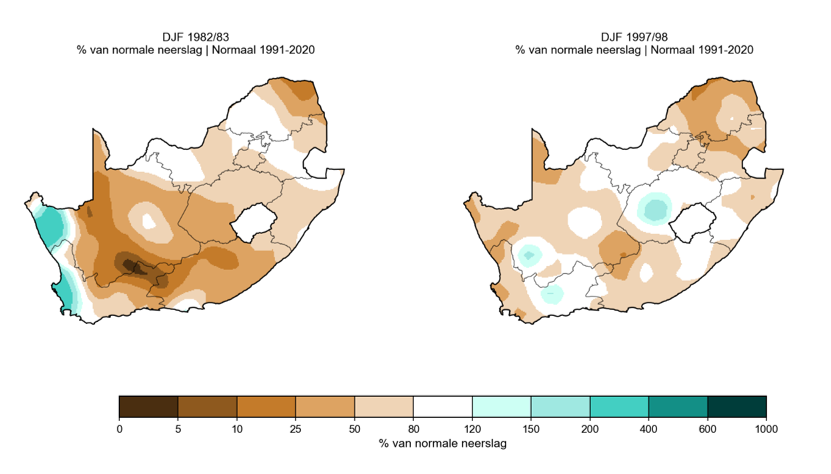
Please note: All graphs and images are taken from the latest Langtermyn Landbou-Weervoorspelling, and the text on the visuals is in Afrikaans. You can also view the Landbou show here.

The first agricultural weather outlook of 2026 begins with a country already deeply shaped by summer weather extremes. While large parts of South Africa experienced intense thunderstorms, flooding and high humidity in December, the western regions faced the opposite: extreme heat, dryness and severe fire danger.

The key question now is whether December was just a noisy outlier, or whether it signals a broader pattern for the rest of summer and early autumn.

December 2025: A month of extremes

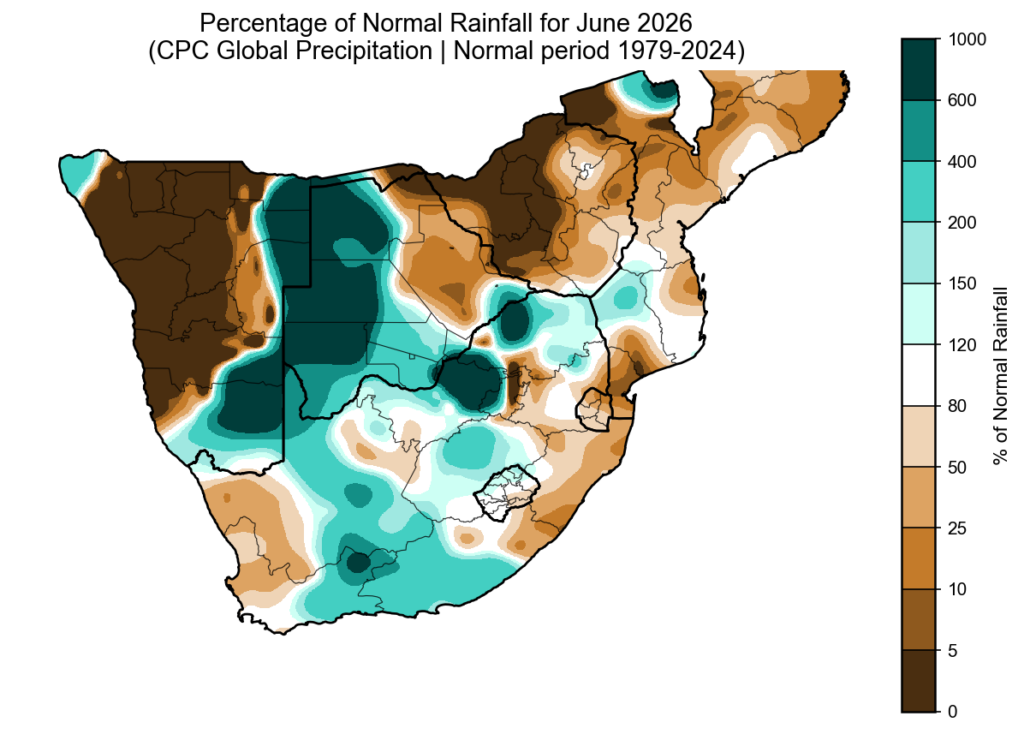
According to the CPC percent-of-normal rainfall map for December 2025 (based on the 1979–2024 climate period), a classic summer contrast emerged across the country.

The northern, central and eastern regions recorded above-normal rainfall, while the south-western and western areas — particularly the Western Cape, southern Cape and parts of the Northern Cape — were much drier than normal.

Although the Western Cape normally receives most of its rainfall in winter, 2025 was exceptionally dry. It now ranks among the three driest years of the past four decades for the province.

Severe convective storms in the north and east

The above-normal rainfall across the summer-rainfall region was driven by powerful cumulonimbus thunderstorms. These towering cloud systems are responsible for lightning, hail, intense downpours and flash flooding.

Large parts of the northern and eastern provinces saw repeated thunderstorm outbreaks. A particularly shocking event occurred in the Majaneng area near Hammanskraal, where reports indicated that around 40 people were struck by lightning around 3 January.

Several storms also produced large hail, causing localised agricultural and property damage. Flooding was widespread in areas where storms repeatedly tracked over the same catchments.

In the Lowveld, impacts became severe. On 3 December, a vehicle carrying eight people was swept away at the Komatipoort low-water bridge by the swollen Nkomazi River, highlighting how deadly summer river crossings can become.

On New Year’s Day, two tornadoes were confirmed in Mpumalanga, near Middelburg and Carolina, causing damage to buildings and infrastructure.

Extreme fire season in the west

While storms dominated the east, the western parts of the country endured heat, strong winds and very little meaningful rainfall. This combination triggered one of the most severe fire seasons in years.

These fires occurred while the southern Cape was already under severe water stress. Knysna entered Level 4 water restrictions, with only days of usable water left in the Akkerkloof Dam. Rainfall records show that 2025 was the driest year in over 40 years for the area, pushing the town dangerously close to so-called Day Zero.

Disaster management confirmed that at least 10 major wildfires burned over a single intense week, destroying approximately 90,000 hectares and damaging dozens of structures.

What ENSO is telling us

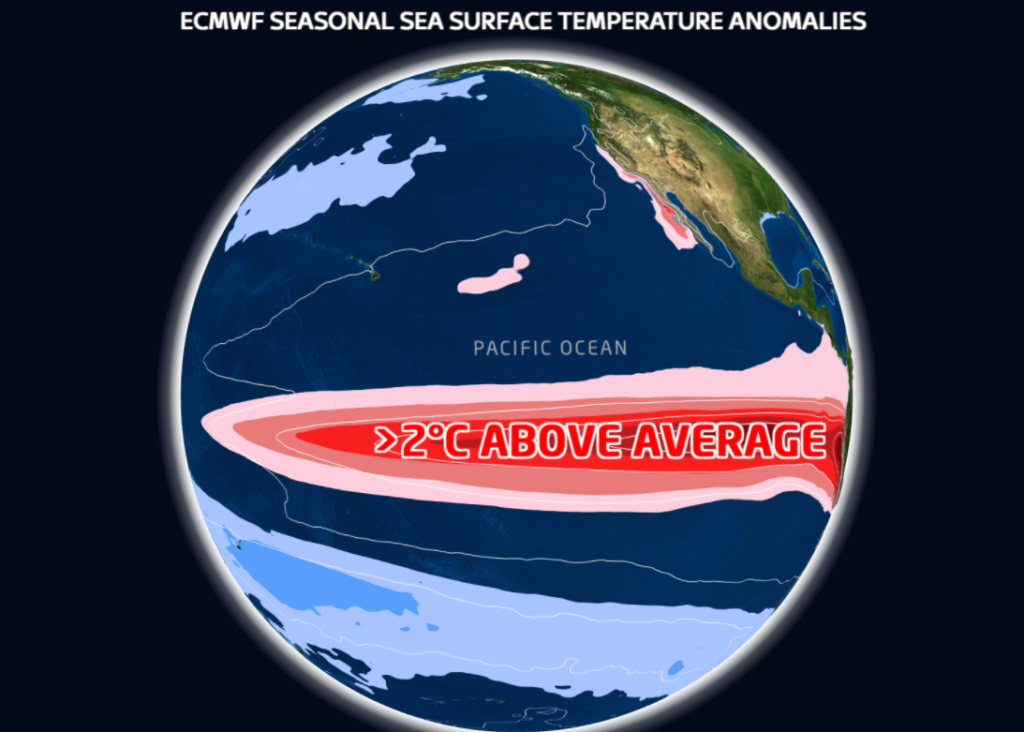
The latest ENSO indicators continue to show La Niña conditions persisting through the rest of summer. These are expected to weaken into neutral conditions during autumn, while the probability of El Niño increases toward late winter and early spring.

For agriculture, this suggests:

  • Above-normal rainfall risks continue in the east during late summer
  • More variable conditions into autumn
  • A growing risk of warmer and drier conditions later in the year as El Niño develops

Water resources under pressure

The Western Cape’s dam levels currently average 66.3%, down sharply from 86.5% at the same time last year. This significant drop highlights how vulnerable the region already is before the winter rainfall season even begins.

In the Eastern Cape, dam levels also remain below last year’s levels, averaging 75.4% compared to 81.3% a year ago. Although the Eastern Cape forms part of South Africa’s year-round rainfall zone, this does not mean rainfall is evenly distributed. Over recent months, most of the rain has fallen further north and east, with major systems missing much of the southern and eastern Cape. This explains why, despite its climate, the region is still under water pressure.

What this means for the months ahead

December was not an isolated event. It reflects a broader climate pattern of:

  • Wet, storm-prone conditions in the east
  • Hot, dry and fire-prone conditions in the west
  • The seasonal outlook suggests this contrast is likely to persist through late summer and early autumn.

For farmers, this means that in the east and Lowveld, there is continued risk of flooding, crop disease and soil erosion; while in the west, there will be ongoing pressure on water resources, fire management and drought planning.

Seasonal models cannot predict individual storms, but they do provide reliable guidance on overall trends. And the trend for early 2026 is already clear:
A wet east, a dry west, and significant agricultural challenges across both.