
Preparing for an El Niño Summer: Weather and Commonsense Readiness
Climate outlooks have all been pointing to the possibility of hotter, drier conditions linked to El Niño during the summer of 2026/2027. At the same time, in South Africa the usual summer risks of severe thunderstorms, lightning and flash flooding in parts of the country are still something that we need to keep top of mind.
“It’s best to be prepared,” says Vox Weather Meteorologist Michelle du Plessis, “before any potential critical weather conditions arise. A few simple habits around water, heat and storm safety can protect your family and your property throughout the season.”
A Reminder About El Niño
El Niño is a natural climate pattern that develops every few years, when the surface of the tropical Pacific Ocean warms more than usual.
It shifts weather patterns around the world, and in southern Africa it’s often linked to hotter, drier summers. A ‘super’ or very strong El Niño is a more intense version.
The South African Weather Service (SAWS) has warned that this year’s event could be one of the strongest in living memory, with below-normal rainfall and above-normal temperatures most likely over much of the country this summer. More frequent heatwaves are also possible.
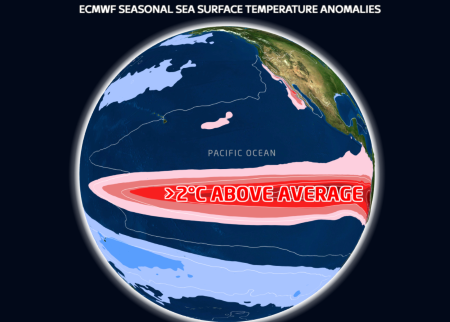
That doesn’t automatically mean that we will have drought or prolonged weeks of extreme heat all over the country, says Michelle, because not every El Niño brings drought to South Africa: the weather pattern can be mitigated by other factors. But below normal or irregular rainfall and strong heat could certainly bring extra pressure to people’s everyday lives.
Stay Safe in the Heat
Michelle says: “Long spells of extreme heat raise the risk of dehydration, heat exhaustion and heatstroke. Older people, young children, people with health conditions and anyone who works outdoors are most at risk – not to mention your pets!”
Hot, dry conditions also raise the risk of veld fires, while built-up areas with lots of concrete and dense housing also trap heat (this is called the urban heat island effect). Report any fire immediately, and never burn refuse or leave a braai unattended.
Here are some commonsense tips.

- Drink water regularly, even before you feel thirsty, and help your family members to do the same, especially the very young and the very old.
- Stay out of the sun during the hottest part of the day (roughly 11:00 to 15:00), and wear a hat and light, loose clothing. Don’t forget the sunscreen!
- Never leave children, older or physically frail people, or pets in a parked car.
- Keep your pets in the shade with plenty of fresh drinking water available.
- Schedule exercise or outdoor chores for cooler morning or evening hours, and take frequent shade breaks.
- Close curtains, blinds or shades during the hottest part of the day, and open windows at night if outdoor air is cooler.

Storms Still Happen: Rain, Lightning and Flood Safety
Michelle notes that El Niño doesn’t rule out the possibility of severe thunderstorms, lightning, strong winds or flash floods, and so she advises: “Keep an eye on official weather warnings throughout the summer season.”
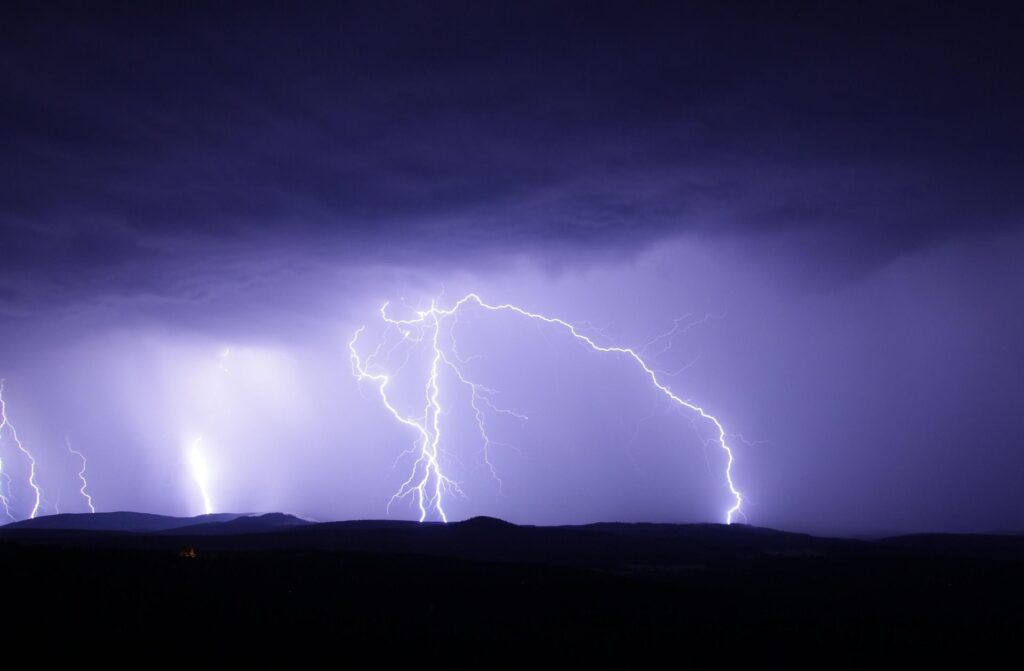
During heavy rain and storms:
- Move vehicles, people and pets to higher ground if flooding threatens.
- Don’t drive or walk through flooded roads or low-water bridges. It’s hard to judge water depth, the current or road damage, and as little as 30 cm of moving water can sweep a car away.
- Avoid sheltering near trees, boundary walls or power lines.
- Follow the 30-30 rule: if thunder comes less than 30 seconds after lightning, head indoors, and wait 30 minutes after the last thunder before going back out.
- If you’re caught outside, stay away from open fields, hilltops, water and metal fences. In essence you want to stay away – if you can – from high or open areas that could attract lighting strikes, as well as water and metal fences, which are both lightning conductors. Being in a closed car with all the windows up, or a solid building, should offer you a safe shelter.
- Indoors, stay off landline phones (which are connected to electricity-conducting wires on the electric grid), avoid baths and showers (because some homes have older copper piping, which can conduct lighting), and keep away from windows during a storm.
- Unplug TVs, computers and routers before a storm arrives, or use surge protection to guard against lightning damage.
Keep Your Home Storm-Ready
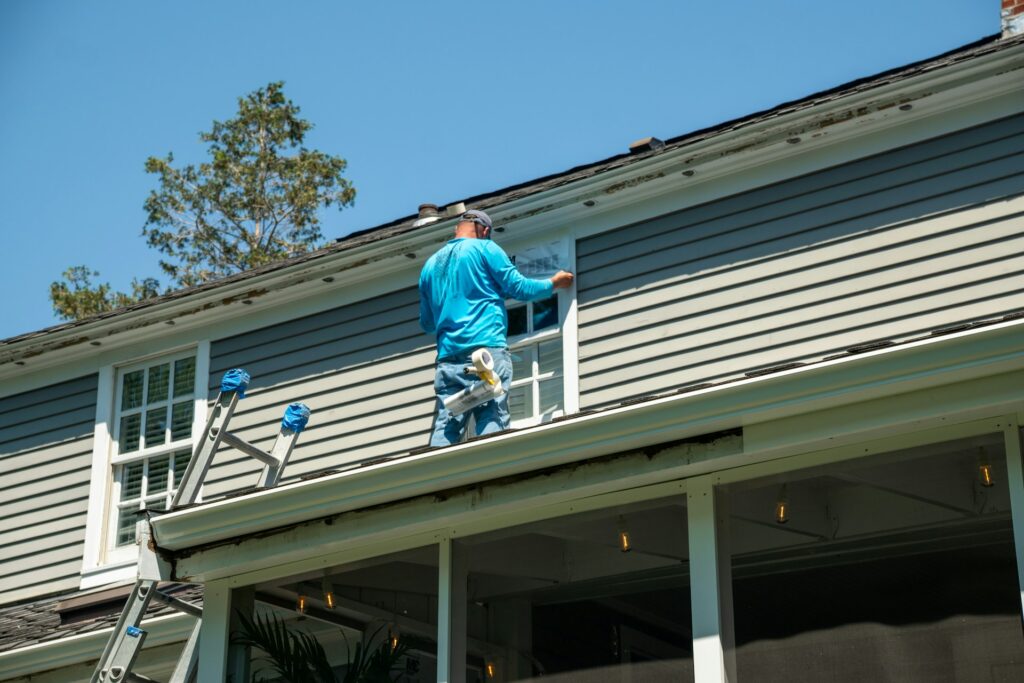
You can do the following for easy home and property maintenance:
- Clear gutters, downpipes and drains regularly so that when a large amount of rain does fall, the water has easy passage in the right channels.
- Check boundary walls, foundations and windows for cracks or movement after prolonged rain.
- Secure loose roof tiles, garden furniture and refuse bins.
- Have large trees assessed, and prune or remove any that look unstable.
Electrical and Personal Safety
Keep yourself safe and prepared from an electrical and personal safety perspective:
- Stay away from electrical fittings near standing water.
- If water gets into your electrical system, switch off the power at the main board and call a qualified electrician.
- Keep torches, emergency lights and power banks charged, along with a fully charged phone.
Look out for each other:
- Check on elderly or vulnerable neighbours and family members after severe weather or during a heatwave.
- Report blocked drains, fallen trees and damaged roads to your municipality promptly. In today’s digital world, you might get better results if you try the municipality’s social media channels, or you could also contact local media or your local Ward Councillor.
- Share only accurate, official information in neighbourhood WhatsApp groups and community channels. Forwarding unverified warnings can cause unnecessary panic.

“A little preparation now can go a long way,” says Michelle. “Use water wisely, respect the heat, stay alert to weather warnings and keep clear of floodwater.
“All that remains is to enjoy another beautiful South African summer – and remember to keep on top of the weather forecasts with Vox Weather!”