Spring is a season of colour, new life and renewed energy and enthusiasm, but when does it actually begin? Is it on the first of September, or the day the Sun crosses the equator near the September Equinox, which is usually around the 21st of that month?
Let’s find out – and also get a sneak preview of the weather forecast for next week, when the clock ticks over to a new month, and a new season.
So when exactly does spring officially begin – on the first or the twenty-first of September?
The short answer is ‘both’, because different meteorological and cultural traditions mark spring in different ways.
In the country that we love to call ‘Sunny South Africa’, we make sure that spring officially starts as early as possible! and so we mark it on the first of September.
And so, with winter officially almost at an end, let’s take a look at some of the ways people celebrate spring around the world, and then check out an early weather forecast for next week from Vox Weather Meteorologist, Michelle du Plessis.
Two Ways to Mark Spring: Meteorological vs Astronomical
Meteorological spring is simple: it runs from 1 September to 30 November in the southern hemisphere. Many weather services use this definition because it groups months with similar temperatures and makes climate statistics easier to compare.
Astronomical spring begins at the September Equinox, late in the month, when the Sun crosses the celestial equator.
Both are valid: meteorological spring gives us a neat calendar start, while astronomical Spring ties the season to the Sun’s position at the Equinox (around 22–23 September).
Equi-What? No, Equinox…
The September Equinox is a seasonal milestone in Earth’s yearly orbit around the sun. The Equinoxes – in March and September – happen when the Sun sits directly above Earth’s equator, causing day and night to be nearly equal in length across the globe. The word comes from the Latin aequus (equal) and nox (night).
For the southern hemisphere, the September Equinox marks astronomical spring; for the northern hemisphere it marks astronomical autumn. At the September Equinox, the sun’s position relative to the Earth is moving from north to south as it crosses above the equator. It’s bringing summer to the Southern Hemisphere and winter to the Northern Hemisphere.
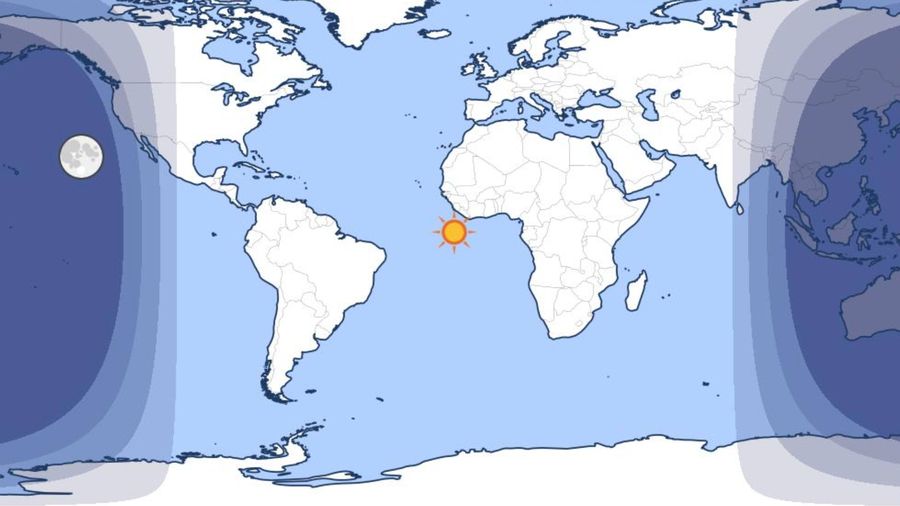
The image above shows the illustrative position of the sun at the September Equinox, moving away from the northern hemisphere and into the southern hemisphere (image courtesy of timeanddate.com).
Because the exact timing depends on Earth’s orbit and leap‑year adjustments, the Equinox date can shift slightly from year to year. The September Equinox usually falls on 22 or 23 September each year (occasionally the calendar can push it to the 21st or 24th).
The 2026 September Equinox will fall on 23 September – which is when spring 2026 will officially begin for those countries that choose to celebrate the start of spring with the Equinox.
How Do South Africans Celebrate Spring’s Arrival?
Whether a nation chooses to celebrate the arrival of spring on the first of September or at the September Equinox, the new season’s arrival usually comes with a sense of energy and happiness!
Here in South Africa, we find people in workplaces and especially schools welcoming the new season with commemorations that highlight flowers and nature. Particularly in pre-primary and primary schools around the country, children and their teachers might have flower shows, plant seeds, enjoy outdoor picnics and make flower-themed crowns and pictures during art lessons.
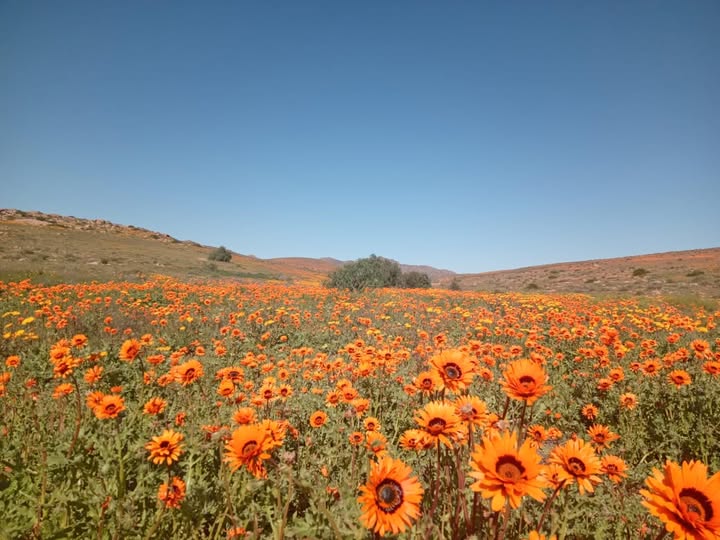
South Africans also celebrate spring by exploring the wildflower blooms in the Western Cape and Namaqualand and within urban parks; going whale watching along the coast, especially the Western Cape coastline; or having an outdoor braai.
Nature’s gorgeous displays of indigenous flowers in full bloom in the Cape and Namaqualand follow the rains and can peak later in the season.
A highlight includes the Namaqualand wildflowers, which is a stunning floral display that usually takes place from August to September, sometimes later depending on winter rainfall. It’s one of South Africa’s most famous spring spectacles – tourists come from around the world to see the flowers.
Click here to link to the recent visit by Michelle and her fellow Vox Weather Meteorologist Annette Botha, when they explored the Namaqualand flowers earlier this month!
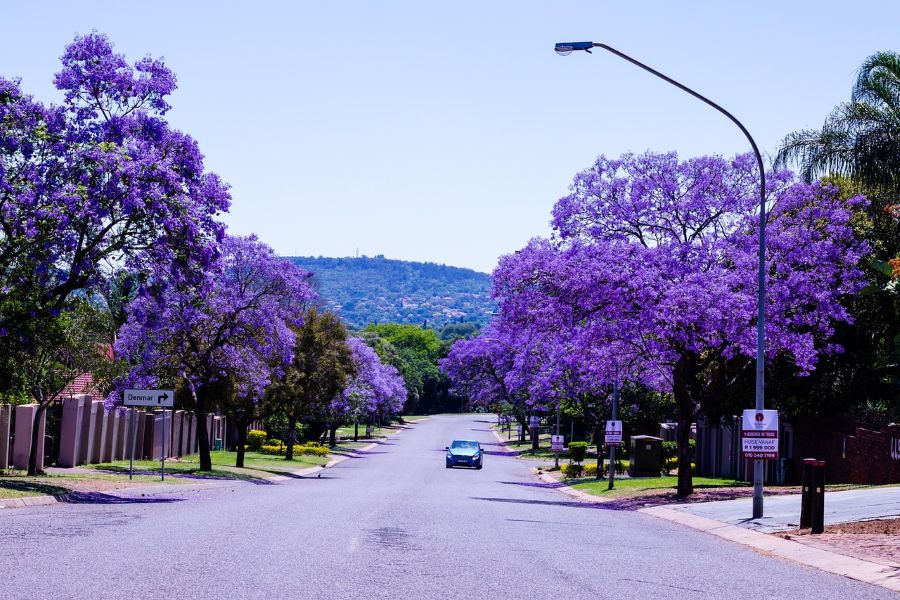
Although they aren’t indigenous, the Jacaranda trees in Johannesburg and Pretoria are also famous and well-loved during spring and early summer, with their canopy of purple blossoms bringing a beautiful purple sheen to uplift the suburbs.
When the sun comes out, so do South Africans! You can find people visiting markets and parks with gusto and enjoying the famous local outdoor cuisine event that is the ‘braai’ or ‘shisanyama’.
However you choose to celebrate spring day in South Africa, we hope that the weather will be kind… more on this lower down.
Spring in Other Parts of the Southern Hemisphere
The Australian Bureau of Meteorology also treats 1 September as the start of spring, and Australia celebrates Wattle Day every year on the first of September, to mark the official first day of spring and honour the golden wattle (Acacia pycnantha) as the national floral emblem.
Similarly, New Zealand also widely uses 1 September as the season’s start there too. Major cultural events often happen throughout the spring season, into October and November as well, including flower festivals and the Melbourne Spring Racing Carnival, which is an elite thoroughbred horse racing and social season held annually from August through November.
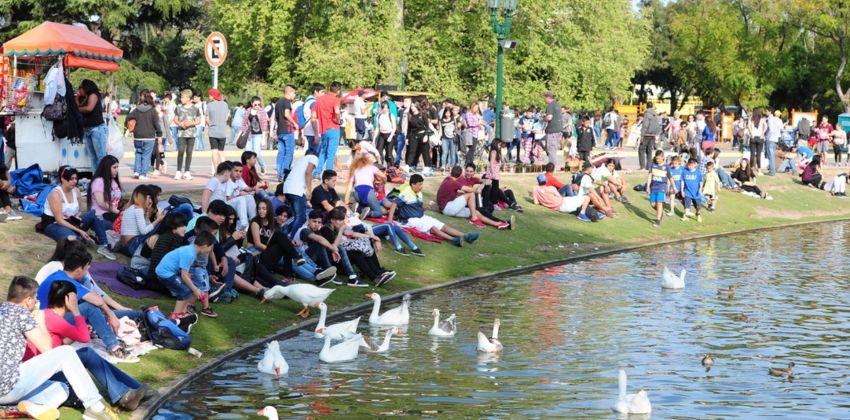
In the South American countries of Argentina, Chile, Uruguay and parts of Paraguay, spring celebrations tend to cluster around 21 September, which sits close to the Equinox. Argentina’s Día de la Primavera (Spring Day) and Student Day on 21 September are big social events, with picnics and student gatherings filling the day (as shown in the image on the right).
Brazil marks tree‑related events such as Arbor Day on 21 September as well, aligning with ecological themes at the start of spring.
Springtime North of the Equator
The northern hemisphere spring is mostly celebrated from March to May, with the March Equinox (20–21 March) marking astronomical spring. Some traditions include the following:
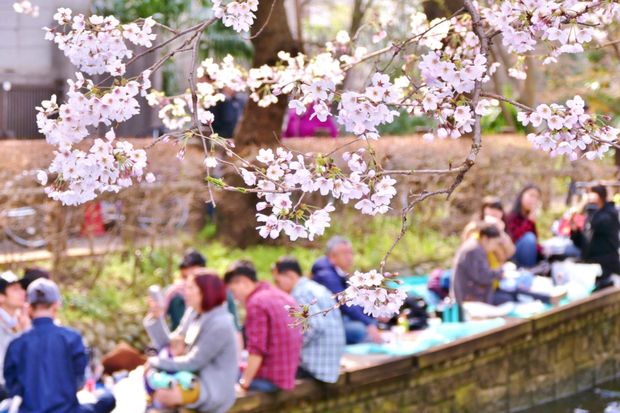
- Japan: Cherry‑blossom festivals (named hanami) in March celebrate the arrival of spring with picnics under the trees (as shown in the image to the right, courtesy of exploreworldwide.com).
- India: Holi, which is a colourful festival of spring and love, usually falls in March and brings public gatherings, music and the throwing of coloured powders.
- Europe and North America: May Day, Easter and local flower and garden festivals celebrate spring through different customs and dates.
Spring Day Weather Outlook – 1 September
Is it time to put away the winter layers for the rest of 2026?
Michelle has the following update on the weather forecast for the first week of September, when spring is officially here!
Spring Day is looking fairly typical of the season across South Africa, with warm conditions over much of the interior, cooler weather along the southern and western coast, and a chance of isolated thunderstorms.
Temperatures across the interior are expected to reach the mid to upper 20s, with parts of the western and northern interior possibly reaching around 30°C.
A cold front will approach the country from the west. Ahead of the front, increasing instability could create favourable conditions for isolated thunderstorm development over parts of the interior during the afternoon and evening.
The southern and western coastal areas will remain noticeably cooler, with maximum temperatures generally in the upper teens to low 20s.
Some expected maximum temperatures:
- Cape Town: 18°C
- Gqeberha: 21°C
- Durban: 23°C
- Mbombela: 24°C
- Johannesburg: 27°C
- Pretoria: 29°C
- Bloemfontein: 28°C
- Kimberley: 30°C
Overall, much of the interior should get a warm taste of spring, while the coast remains cooler. And in typical spring fashion, a few isolated thunderstorms may also make an appearance.
Spring can be a precise astronomical moment, a neat meteorological month or a loosely defined cultural season.
Wherever you are in South Africa, and however you choose to define it, spring is a great excuse to get outside in our beautiful land and see wildflowers, plant trees, join a picnic or simply enjoy milder weather after the end of winter.
As spring 2026 unfolds, don’t forget to follow Vox Weather for up‑to‑date spring forecasts – enjoy the season!